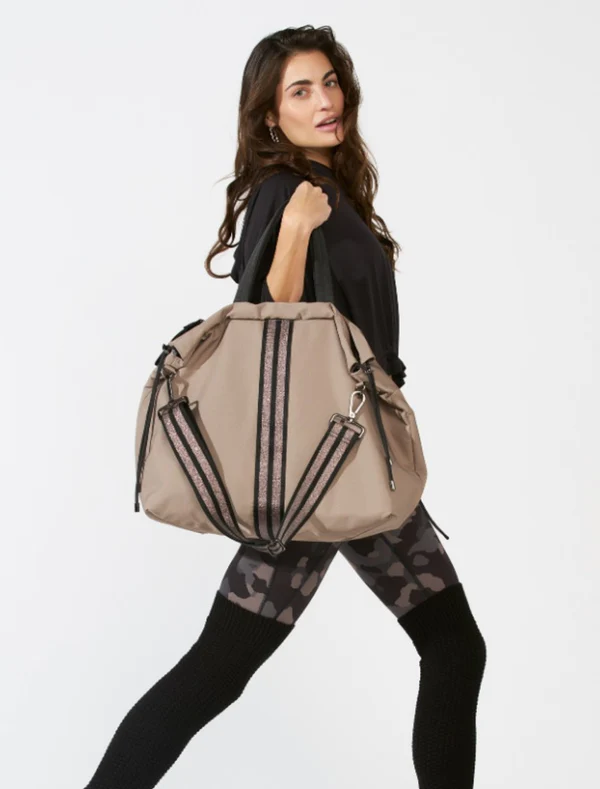
"Eco-friendly" is an informal adjective broadly used to describe products, services, or practices perceived as causing minimal or no harm to the environment.
[adjective]
However, under international standards (ISO 14021) and EU anti-greenwashing rules—specifically the Empowering Consumers for the Green Transition Directive (EU) 2024/825—claims implying "no environmental impact" are misleading, and "eco-friendly" is classified as a generic environmental claim considered "unfair in all circumstances".
How to use it correctly: In B2C communication, brands are prohibited from using "eco-friendly" standalone unless the product holds recognized excellent environmental performance (such as the EU Ecolabel or an equivalent EN ISO 14024 Type I ecolabel) relevant to the claim. In all other cases, brands must replace vague labels with clear, prominent, and third-party verified specifications in the same communication medium, defining the exact component, scope, and measurable environmental parameter.
Example: Instead of describing a garment as "eco-friendly," a brand must communicate specific, verified composition and impact data, such as: "Outer shell made with 80% certified recycled polyamide (50% post-consumer and 30% pre-consumer waste, verified by [Certification]).
From ECONYL® Blog
WELL™
WELL™ is a certification system developed by the International WELL Building Institute, focusing on health, well-being, and human experience within buildings.
LEED® (Leadership in Energy and Environmental Design) is a globally recognized green building certification system developed by the U.S. Green Building Council.
"Eco-friendly" is an informal adjective broadly used to describe products, services, or practices perceived as causing minimal or no harm to the environment.